Showing posts with label pasta. Show all posts

Thursday, March 31, 2011

Linguine with Lemon Sauce


4 tablespoons butter, at room temperature
1½ cups heavy cream
Grated zest from 3 lemons, see photos below of the zester and the zest
Lemon juice from 3 lemons
1 pound fresh linguine
OR
9 ounces dried thin spaghetti
3 tablespoons salt for the pasta water
1 teaspoon salt for the sauce or to taste
3 tablespoons fresh flat-leaf parsley, coarsely chopped
Parmigiano-Reggiano cheese or other hard cheese, freshly grated at the table

1. Put 6 quarts of water in a large pot and bring it to a boil.
2. While the water is coming to a boil, combine the butter, cream, and lemon juice over low heat in a skillet large enough to hold the pasta later on. As soon as the butter is melted, remove the skillet from the heat, cover, and set aside.
3. When the water is boiling, add 3 tablespoons salt and the pasta, stirring to prevent the pasta from sticking. Cook until tender (fresh pasta won’t take long). Drain, leaving a few drops of water clinging to the pasta so that the sauce will adhere.

4. Transfer the pasta to the skillet, off the heat, and toss to blend. Add the salt, lemon zest, and toss once more. Cover and let rest for 1 to 2 minutes to allow the pasta to absorb the sauce. Transfer to warmed shallow bowls, sprinkle with parsley, and serve immediately. Pass the hunk of cheese with a microplane or a cheese grater for you and your guests to grate as desired.

3-4 servings as a main dish
Adapted from Patricia Wells’ Trattoria

The zester. Of course, you can also use a microplane if you want tiny pieces of zest.
The zest. This is just one lemon's worth.


So great with the silkiness of the pasta:

Simple Sautéed Fresh Spinach or Swiss Chard

Pesto with Pasta


¾ cup freshly grated Parmesan plus more to grate at the table
Note: If you need to grate your Parmesan, do it first in the food processor before proceeding with the rest of the recipe.
4 packed cups fresh basil leaves
2 large garlic cloves, peeled and coarsely chopped
½ cup pine nuts (you can substitute slivered almonds)
2 tablespoons melted butter
1/3 cup olive oil
Salt to taste

1. Combine the cheese, basil, garlic, and nuts in a food processor and process until the mixture is well combined.
2. Add the melted butter with the motor running and up to 1/3 cup olive oil. You can also add a small amount of water if the pesto is too thick. It should drape nicely over a mound of pasta without being runny. Add salt to taste.
3. Serve with hot drained pasta. You can pass more cheese at the table.

4-6 servings
Adapted from Mollie Katzen’s Moosewood Cookbook

Oven-Roasted Tomatoes
Tasty with pesto and a perfect color on the plate.

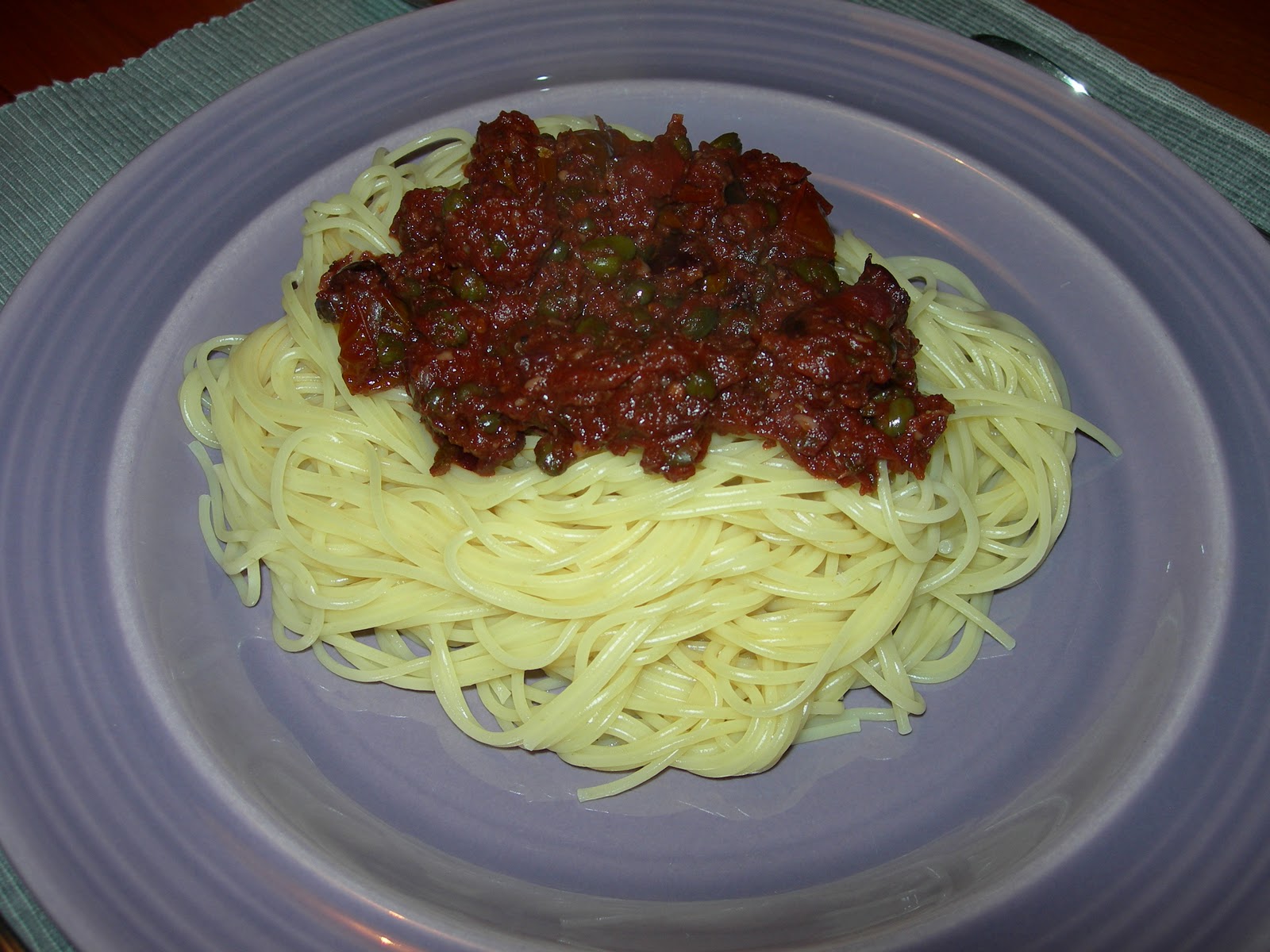
Puttanesca Sauce


1 can (2 ounces) anchovy fillets, undrained
12 garlic cloves, pressed
2 cans (28 ounces each) plum tomatoes
OR
4 pounds fresh tomatoes, peeled, seeded saving the juice, see instructions if you need them, coarsely chopped
¼ cup sun dried tomatoes, chopped
1/3 cup capers, drained
1 cup pitted Kalamata olives, coarsely chopped
1 cup dry red wine
Crushed red pepper flakes to taste
½ teaspoon sugar
2 tablespoons fresh sage, chopped
¼ cup balsamic or red wine vinegar
Pepper

1. Place the anchovies and the garlic in a heavy large sauce pan or sauté pan. Mash thoroughly into a paste over low heat. Use a knife and fork to cut into pieces if necessary.
2. Add the tomatoes, capers and olives; stir over medium high heat.
3. Add the remaining ingredients and bring to a boil; reduce the heat to medium low and simmer, uncovered, for 1 hour. With fresh tomatoes and their juice, it might take two hours depending on their juiciness. The sauce should be nice and thick.
4. Taste and adjust the seasonings. Serve over thin spaghetti. Traditionally this dish is served without cheese, but who’s stopping you if you want it.

Note: You probably won’t need salt because of the saltiness of the anchovies, capers and olives. But taste to make sure.

6 servings
Adapted from Julee Rosso’s Great Good Food

Penne with a Slow-Cooked Sausage Sauce

When summer draws to a close and there is just the first hint of autumn in the air, I get hungry for pasta, especially the ones calling for a lot of fresh tomatoes. With a really simple salad, it is the perfect dinner.


2 tablespoons olive oil
8 fresh uncooked sweet Italian sausages, meat removed from skins and crumbled
Note: I use Caggiano Sweet Italian sausage from Sonoma Market.
2 small red onions, peeled and chopped
2 garlic cloves, peeled and chopped
1 or 2 small dried hot chile pepper, seeds removed if you desire
2 bay leaves
1 cup dry red wine (preferably Chianti or Sangiovese)
1 28-ounce can peeled plum tomatoes
OR
2 pounds fresh tomatoes, peeled, seeded, and coarsely chopped, see instructions if you need them
½ teaspoon ground nutmeg (or grate your own)
Salt and pepper to taste
¾ cup heavy cream
1 heaping cup freshly grated Parmesan cheese and more for the table
11 ounces penne rigate

1. Heat the oil in a large pan and sauté the sausage meat, stirring and breaking up the pieces. When the meat is cooked, add the onions, garlic, chiles, and bay leaves. Cook gently for 20 minutes or until the onions are soft and translucent.
2. Pour in the wine, increase the heat and cook until the wine evaporates.
3. Add the tomatoes, lower the heat and simmer gently until the sauce is thick, an hour or more depending on the juiciness of your tomatoes.
4. Season with nutmeg, salt and pepper. Add the cream and keep warm over a very low heat.
5. Cook the penne until al dente. Drain well. Place it in a warm bowl and add the sauce and cheese. Stir together and serve with additional cheese.

4-6 servings
Adapted from Rose Gray and Ruth Rogers’ Rogers Gray Italian Country Cook Book

A great accompaniment:

Everyday Green Salad with Everyday Salad Dressing

A Creamy, Calming Pasta Dish with Sausage

Everyone’s definition of “comfort food” is different. When I was sick as a child, all I wanted was creamy oatmeal with raisins and brown sugar. Warm, soothing, with a hint of sweet. The following recipe hits the mark for me as well. The creamy garlic-infused pasta calls out to be eaten on a chilly day when the rich fulsome sauce encourages you to give into your desire to snuggle under the covers with a good book after consuming a bowlful.


4 heads of garlic or an equivalent number of garlic cloves
Note: Most supermarkets now-a-days have plastic containers of peeled garlic in the produce department. If you are pressed for time, this is the occasion to use them.
2 tablespoons olive oil
6-8 springs of fresh thyme
1 pound dried shell or tube-shaped pasta
2 cups heavy cream
Salt and pepper to taste
4 fresh uncooked sweet Italian sausages
2-3 sprigs of fresh thyme, stripped and chopped

1. Place the unpeeled whole heads of garlic or the equivalent peeled garlic cloves in a small baking pan. Drizzle with oil and thyme and place in a 400ºF oven. Roast the garlic until the cloves are very soft and sweet, 50-60 minutes for the heads and much less for the cloves.
2. Cool the garlic heads and then tear them apart and squeeze out the contents of each clove into a small bowl. [This step took nearly all of my considerable patience and is the reason I devised a simpler method.] Or place the peeled cloves in a bowl. Mash them into a paste, adding a small bit of your 2 cups of cream to help the process.
Note: You can use a mortar and pestle, a Japanese suribachi, a potato masher, a small food processor or a fork to smash and mash the garlic. You do not need to make it perfectly smooth unless you want to.
3. Put your pot of salted water (for cooking the pasta) on the stove on high. Bring it to a boil while you are working on the next two steps.
4. Warm the garlic paste in a sauté pan over moderate heat, pour in the cream, whisk the garlic and the remaining cream to combine, bring to a simmer, add salt and pepper to taste, and cook for several minutes.
5. Skin the fresh sausage, crumble the meat into a frying pan and fry until done.
6. Cook the pasta in your pot of boiling salted water until it is al dente. Drain in a colander, saving about ½ cup pasta water to use in the sauce as needed.
7. Tip the pasta and drained sausage into the cream, toss gently and heat until all the elements are warm and the cream is gently bubbling. If the sauce is thicker than you like it, add a bit of the reserved pasta water to thin it out until you reach the consistency that is right for you. Add more salt and pepper if needed. Ladle into plates or bowls and garnish with fresh thyme leaves.

6 servings
Adapted from Nigel Slater’s Appetite

Sautéed Fresh Spinach
I serve this pasta with steamed spinach; I like its bracing flavor up against the richness of the cream and pasta.

Spicy Soba with Tofu

Linda, my Berkeley next-door neighbor who now lives in New York City, requested a tofu dish.  This one is excellent.


Dressing:
1/3 cup soy sauce
2 tablespoons packed brown sugar
1 small fresh hot red chile, seeded, deveined, and minced (green is fine too)
1 tablespoon minced fresh ginger root
1 tablespoon minced garlic
1 tablespoon molasses
2 tablespoons sesame oil
3 tablespoon tahini
3 tablespoons balsamic vinegar
3 tablespoons chile oil, optional
Salt to taste

Noodles:
8 ounces dried soba noodles
½ bunch scallions, thinly sliced
12 ounces firm tofu
1 tablespoon olive oil
1 small fresh hot red chile, seeded, deveined, and minced, optional (green is fine too)
4 garlic cloves, minced
½ cup finely chopped fresh parsley
2 tablespoons fresh lemon juice
¼ teaspoon aleppo pepper or other mildly hot pepper or paprika
Salt and pepper to taste

1. To make the sauce, heat the soy sauce in a small saucepan over medium heat. Add sugar, chile, ginger and garlic. Bring to a boil. Reduce the heat to low, stir in the molasses, and heat until warm. Remove from the heat. Whisk in the sesame oil, tahini, vinegar and chile oil, if desired, to combine. Season to taste with salt. Set aside to cool.
2. To make the noodles: Bring a large pot of salted water to a boil. Add the noodles, return to a boil and cook, stirring occasionally, for about 3 minutes or until they are cooked, but still a bit firm. Drain the noodles. Set aside in a large bowl, if you want to serve them warm. Place them in a bowl of ice water if you want to serve them cold.
3. Combine the drained noodles with the dressing and scallions. Toss well. Place on a serving platter or low-sided bowl.
4. Drain the tofu. Pat dry and crumble. Heat the oil in a skillet over medium heat. Add the optional chile and garlic. Cook for 1 to 2 minutes.
5. Increase the heat to medium high and add the crumbled tofu. Stir fry for a few minutes to sear the tofu. Remove from the heat and add the parsley and lemon juice. Season with salt and pepper to taste.
6. Distribute the tofu over the prepared noodles and serve warm or cover and chill to serve cold. Sprinkle with Aleppo pepper or other semi-hot pepper or paprika just before serving.

4 servings
Adapted from The Junior League of Honolulu, Inc.’s Aloha Days, Hula Nights

Menu suggestions:

Cauliflower, Caper and Pumpkin Seed Spread
For the Asian theme, this dip is great served with crispy rice crackers.


Cucumber Salad
Refreshing and so easy.

Tuesday, March 29, 2011

Sesame Chicken and Asparagus Pasta Salad


1 pound thin asparagus, trimmed and cut on diagonal into 1-inch lengths
8 ounces dried linguine, broken into 4-inch lengths
5 garlic cloves, peeled and sliced
2 tablespoons red wine vinegar
¾ cup chunky peanut butter
1/3 cup brown sugar if using healthy peanut butter, 2 tablespoons if using Jiff
½ cup soy sauce
½ cup sesame oil
¼ cup chicken stock, as needed
¼ teaspoon red pepper flakes or Aleppo pepper
3 boneless and skinless cooked chicken breast halves
Note: See cooking directions below.
1½ tablespoons sesame seeds, toasted
3 scallions, white part and 3 inches of green, cut into 2-inch julienne or coarsely chopped
1 small cucumber, peeled, halved, seeded and cut into ¼-inch dice, see instructions if you need them

1. Bring a large pot of salted water to a boil. Blanch asparagus in the boiling water for 1-2 minutes. Scoop out, leaving the water boiling. Drain until dry.
2. Add the linguine to the boiling water and cook until just tender. Drain, rinse under cold water, drain again, and set aside in a large mixing bowl.
3. Place the garlic, vinegar, peanut butter, brown sugar, soy sauce, and red pepper flakes in a food processor. Process for 1 minute. With the motor running, slowly add the sesame oil and the stock, if necessary, through the feed tube; process until well blended. Adjust seasonings as you desire. The sauce should be thick and creamy but not stiff.
4. Shred the chicken into 2-inch julienne and toss with the linguine. Add some of the sauce and 1 tablespoon of the sesame seeds. Keep adding the sauce until the noodles and chicken are nicely moistened. Put the remainder of the sauce in a small serving bowl.
5. Place the linguine and chicken on a large flat serving platter or bowl and arrange the asparagus on top. Sprinkle with the scallions, cucumber, and remaining ½ tablespoon sesame seeds. Serve at room temperature. If you have any of the asparagus, scallions, or cucumbers which don’t fit on the platter, place them in small bowls and bring to the table, along with the extra sauce. You may want to add more of the goodies to your salad as you eat.

6 servings
Adapted from Julie Rosso and Sheila Lukins’ The New Basics Cookbook

How to poach chicken breasts 

1. Slip the chicken breasts into stock or salted water to cover, adding peppercorns, bay leaves and sprigs of thyme as you see fit.
2. Bring to a simmer, skim the foam off if you'd like, and cook covered on very low heat for 20-30 minutes, depending on the size of the breasts. Turn them over half way through cooking.
3. Poke a knife into the thickest part to make sure they are cooked all the way through. If they are not, let them simmer little while longer. Let them cool in the liquid.
4. Shred or slice, as needed.

New Wave Salad with Red Wine Basil Vinaigrette

I am always seeking out one-dish meals. And this one is absolutely perfect for the end-of-season gorgeous crops of basil, tomatoes and green beans.


1½ cups Red Wine Basil Vinaigrette, see recipe below
1 pound tender green beans, stringed and cut into thirds
1 tablespoon olive oil
10-12 ounces dried fettuccine or linguine, broken in half
1 cup fresh basil leaves
6 ripe tomatoes, seeded, cut into 1-inch chunks
1 cup pitted Kalamata olives
2 tablespoons chopped fresh parsley
4 ounces Parmesan cheese, in one piece

1. Prepare the Red Wine Basil Vinaigrette.
2. Bring a large pot of salted water to a boil. Add the beans and simmer until just tender, about 5 minutes. Scoop out of the pot, leaving the boiling water. Drain, rinse under cold water, drain again, and set aside.
3. In the same boiling water, add the oil and fettuccine and cook at a rolling boil until just tender. Drain, rise under cold water, and drain again. Turn out onto a clean dry dishtowel and pat dry. Place in a large serving bowl. Add ½ cup of the vinaigrette and toss well. Set aside.
4. Arrange the basil leaves in small stacks and roll them lengthwise. Slice the stacks diagonally into slivers. Or see instructions.
5. Cover the pasta with the green beans and tomatoes, followed by the black olives and slivered basil. Sprinkle with parsley and pour the remaining 1 cup vinaigrette over the salad. Toss gently.
6. Scrape the Parmesan with a vegetable peeler to make thin wide shavings. Place them on top of the salad. When serving, try to distribute a good mix of the ingredients on each plate. You may want to put the Parmesan and the peeler on the table so that you can serve yourself more if you’d like.

4 servings as a one-dish meal
Adapted from Julee Rosso and Sheila Lukins’ The New Basics

Red Wine Basil Vinaigrette

2 cloves garlic, pressed
1 tablespoon Dijon mustard
1/3 cup red wine vinegar
1 teaspoon salt
1 teaspoon black pepper
½ teaspoon sugar
1 cup olive oil
½ cup slivered fresh basil leaves, see instructions
½ cup chopped fresh parsley

1. Combine the garlic, mustard, vinegar, salt, pepper and sugar in a small bowl and whisk well.
2. Add the oil in a slow stream, whisking constantly until the vinaigrette has thickened slightly. Fold in the basil and parsley. Taste for seasonings and adjust as you see fit.

Makes 1½ cups
Adapted from Julee Rosso and Sheila Lukins’ The New Basics